WebGuide
Observability for Rust Services With OpenTelemetry
OpenTelemetry gives traces, metrics and logs one vocabulary and one export path. In Rust you keep using tracing and add layers that ship to a collector.
17 min read
Everything you need to level up your coding skills.
OpenTelemetry gives traces, metrics and logs one vocabulary and one export path. In Rust you keep using tracing and add layers that ship to a collector.
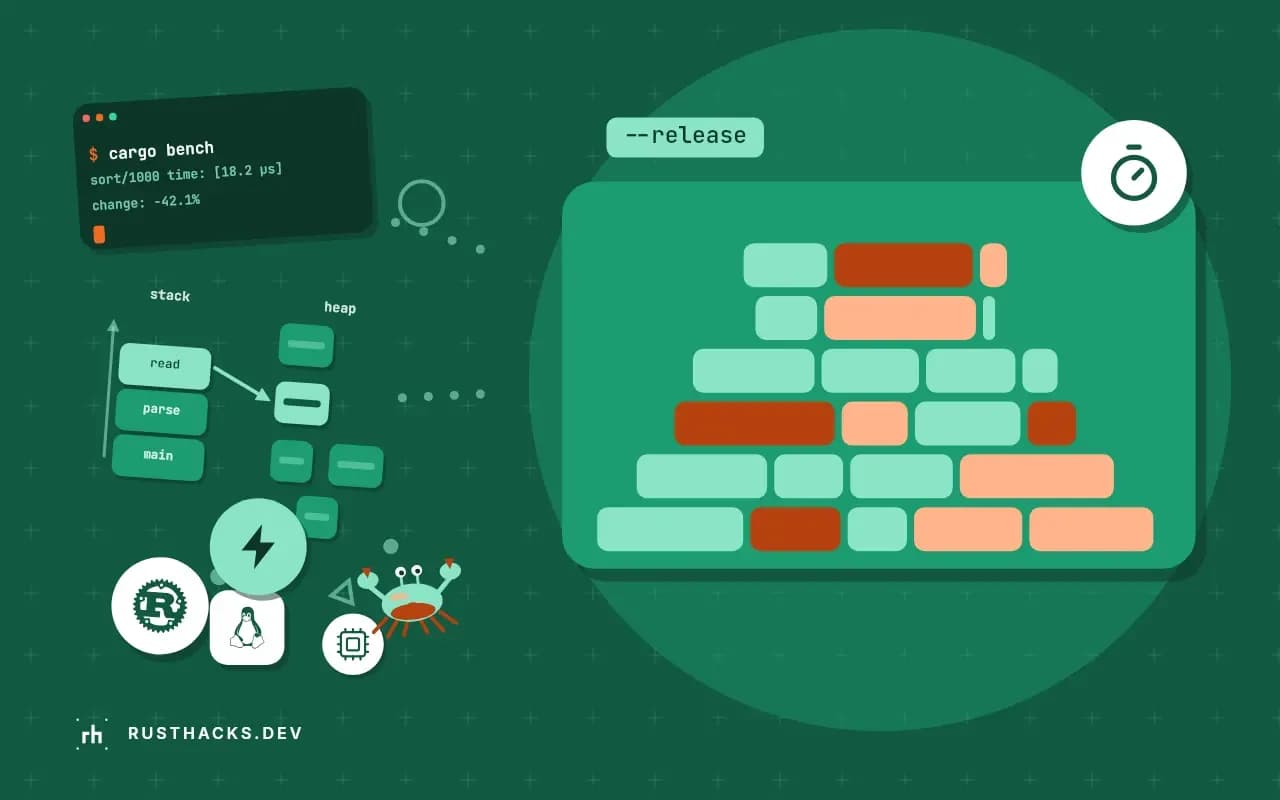
Guessing at performance wastes time. Reproduce the slowness, record a flamegraph and fix the widest bar. This walks one endpoint from 40 ms to 6 ms.
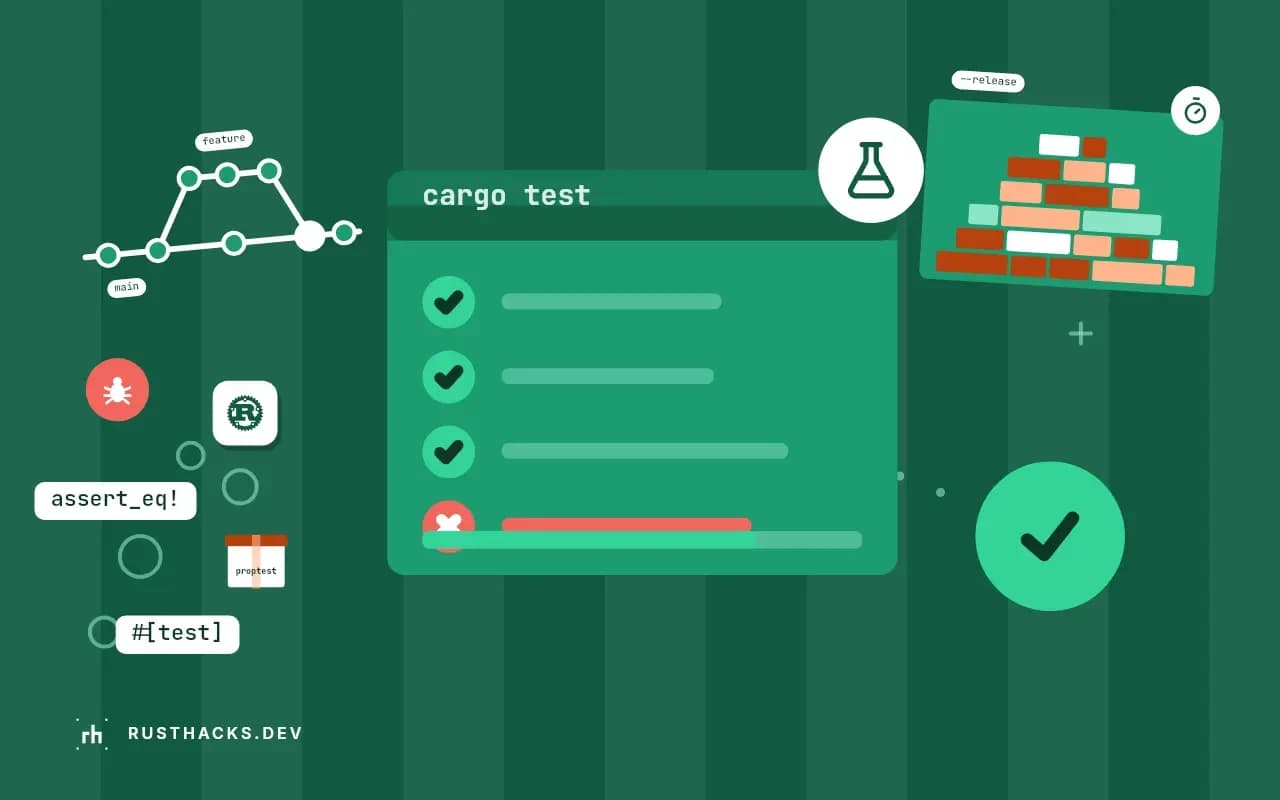
A load test is only useful if it models real traffic and reports percentiles. oha gives a quick check, and k6 scripts realistic user flows with thresholds.

A presigned URL lets the browser upload straight to S3, so your service never touches the bytes. The server signs, the client uploads, and a confirmation step records the result.
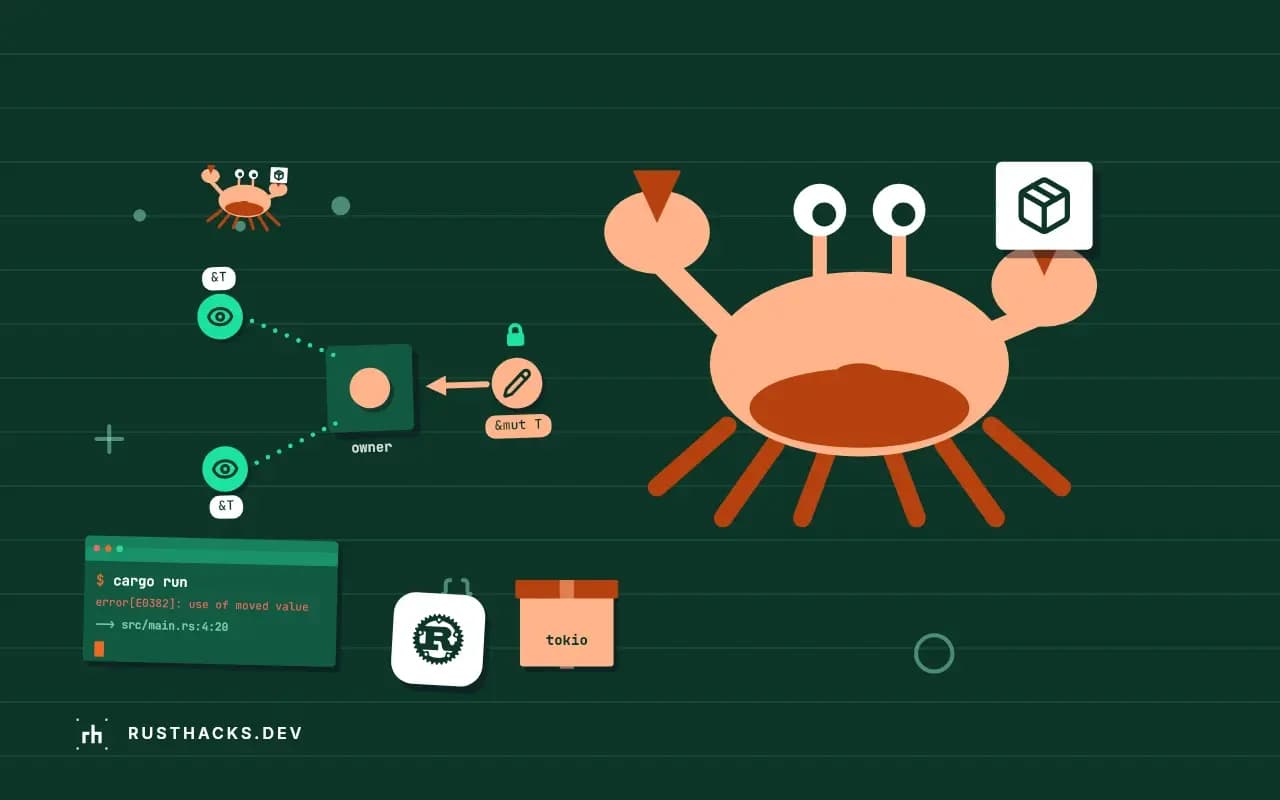
A web request should not wait for email or image resizing. Move that work to a queue, run workers that retry on failure, and decide how durable the queue must be.
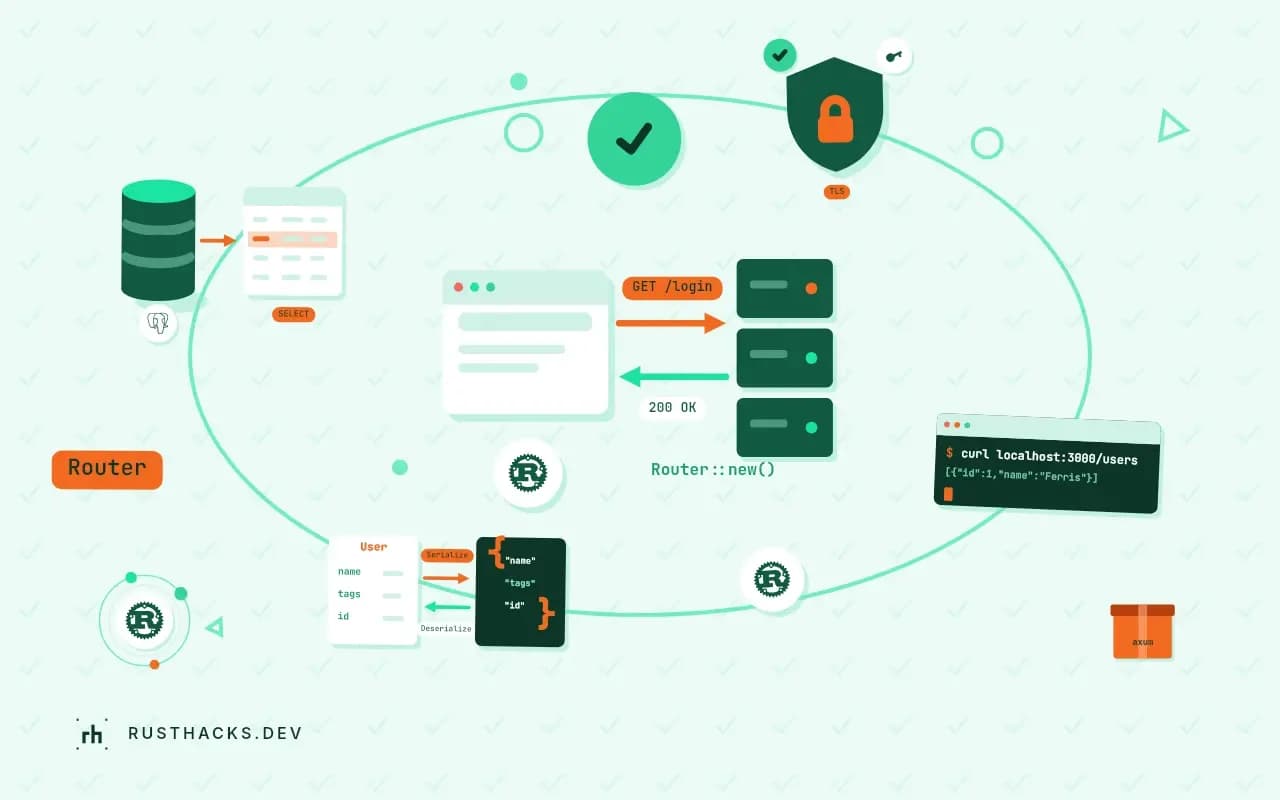
An idempotency key lets clients retry a POST without charging twice. The server stores the first response and replays it for the same key.
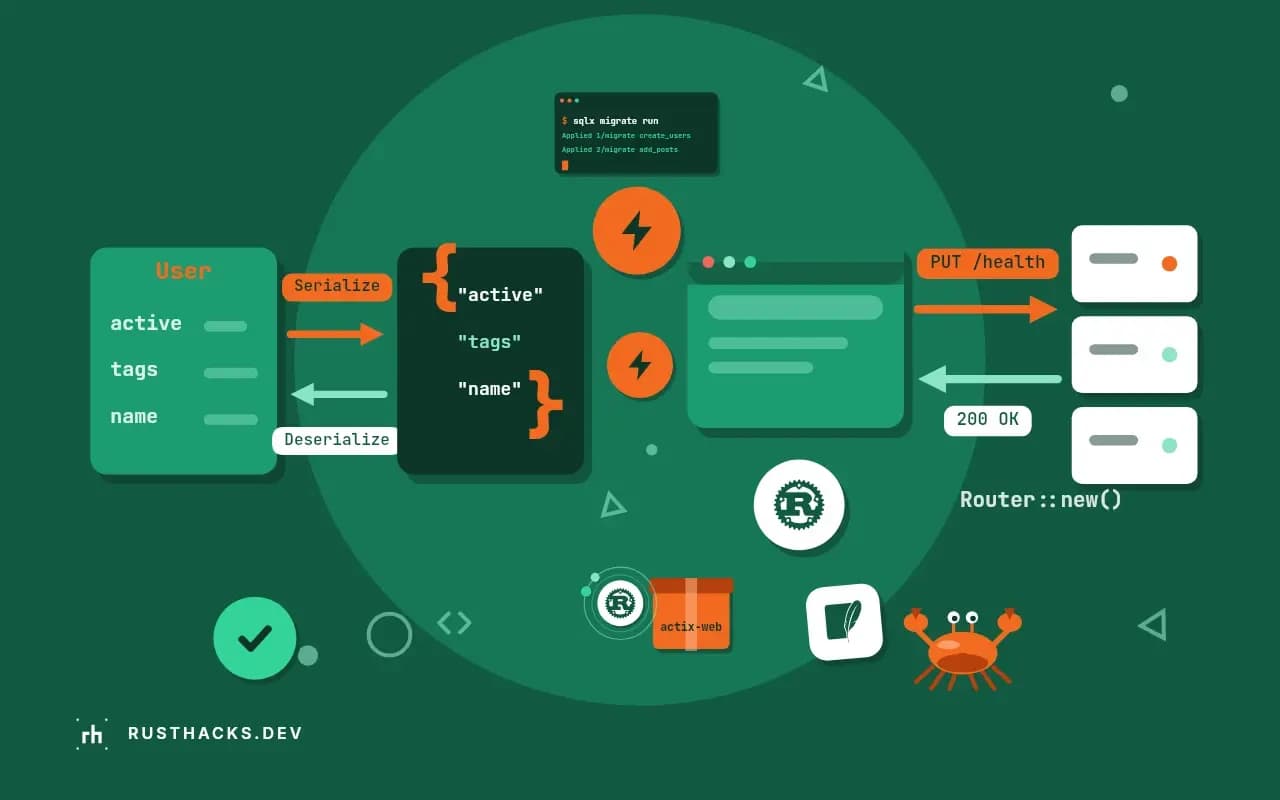
Wire Actix Web 4 to a SQLx 0.9 pool the right way: build the pool once outside the factory closure, share it as web::Data, map errors with ResponseError, and see the 8 versus 28 connection difference when it goes wrong.

Two versions of the same crate in the graph are legal, and they produce confusing type errors when types cross the boundary. cargo tree shows who pulls which.

Compiling Rust is easy to retarget, and linking is the hard part. Add the target, point Cargo at a linker, or let cross or zig supply a toolchain.
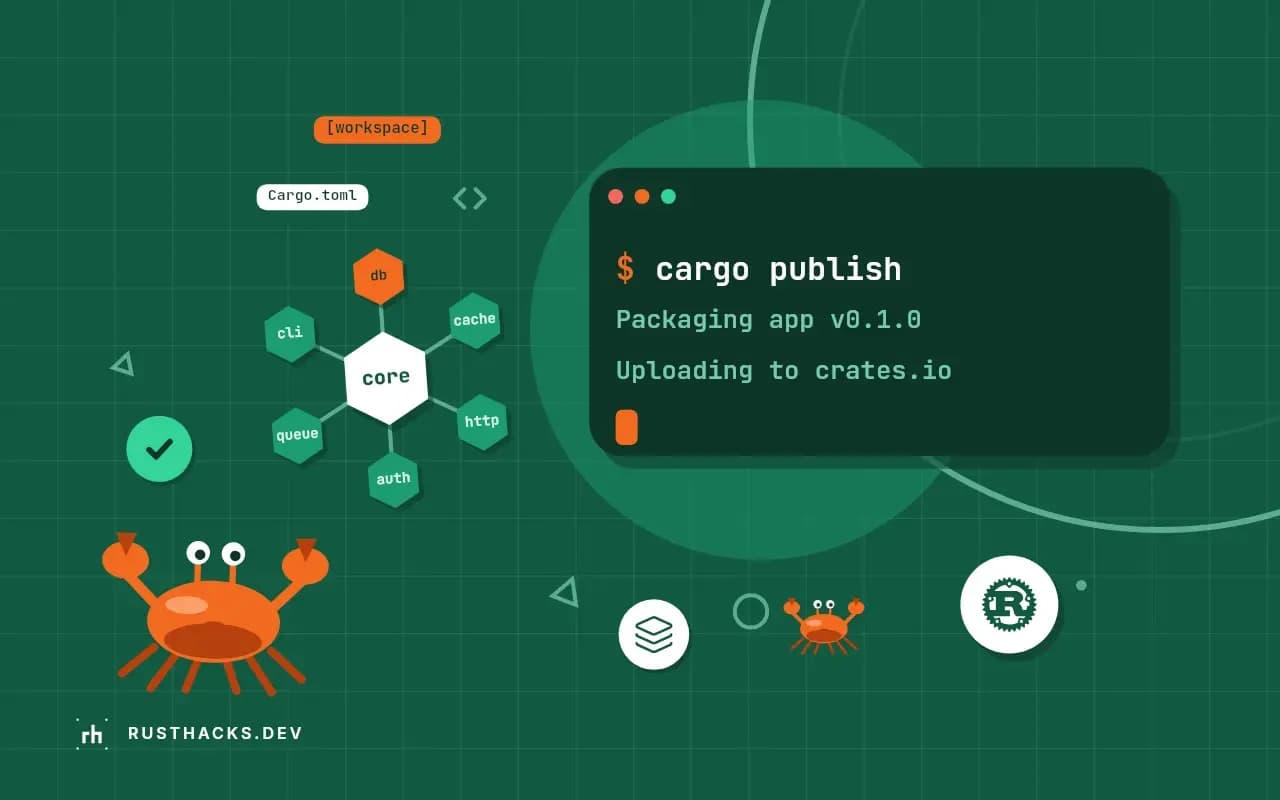
A Cargo subcommand is a binary named cargo-something. The interesting parts are the argument Cargo passes, reading the workspace with cargo_metadata and installing it.

Retries fix transient failures and amplify real outages. The right combination is a timeout per attempt, capped jittered backoff, a total deadline and a breaker that stops hammering.

A pool hands out reusable connections, caps how many exist and takes them back on drop. Building a small one explains the knobs on SQLx and deadpool.
We send one email when a new post is published. No spam.