
Generics
Specialization in Rust and Why It Is Still Unstable
Specialization would let a blanket impl have faster special cases. After years of work it is still nightly only, held back by soundness problems with lifetimes.
7 min read
Everything you need to level up your coding skills.
Specialization would let a blanket impl have faster special cases. After years of work it is still nightly only, held back by soundness problems with lifetimes.
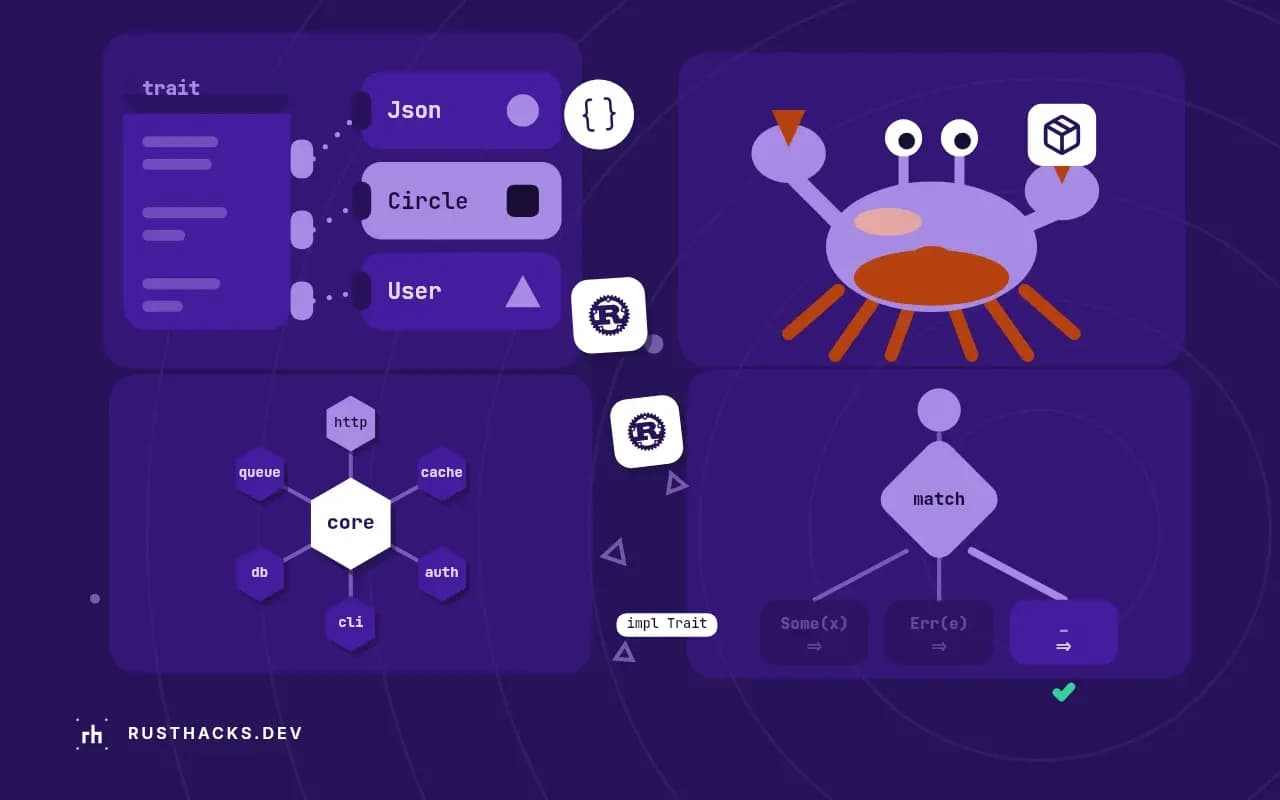
When you know every implementor of a trait, an enum can stand in for a trait object with no allocation and with inlinable calls. The cost is a closed set.

Rust needs no DI container. Define a trait for the dependency, take it in the constructor and wire the real types in main. Tests pass a fake instead.
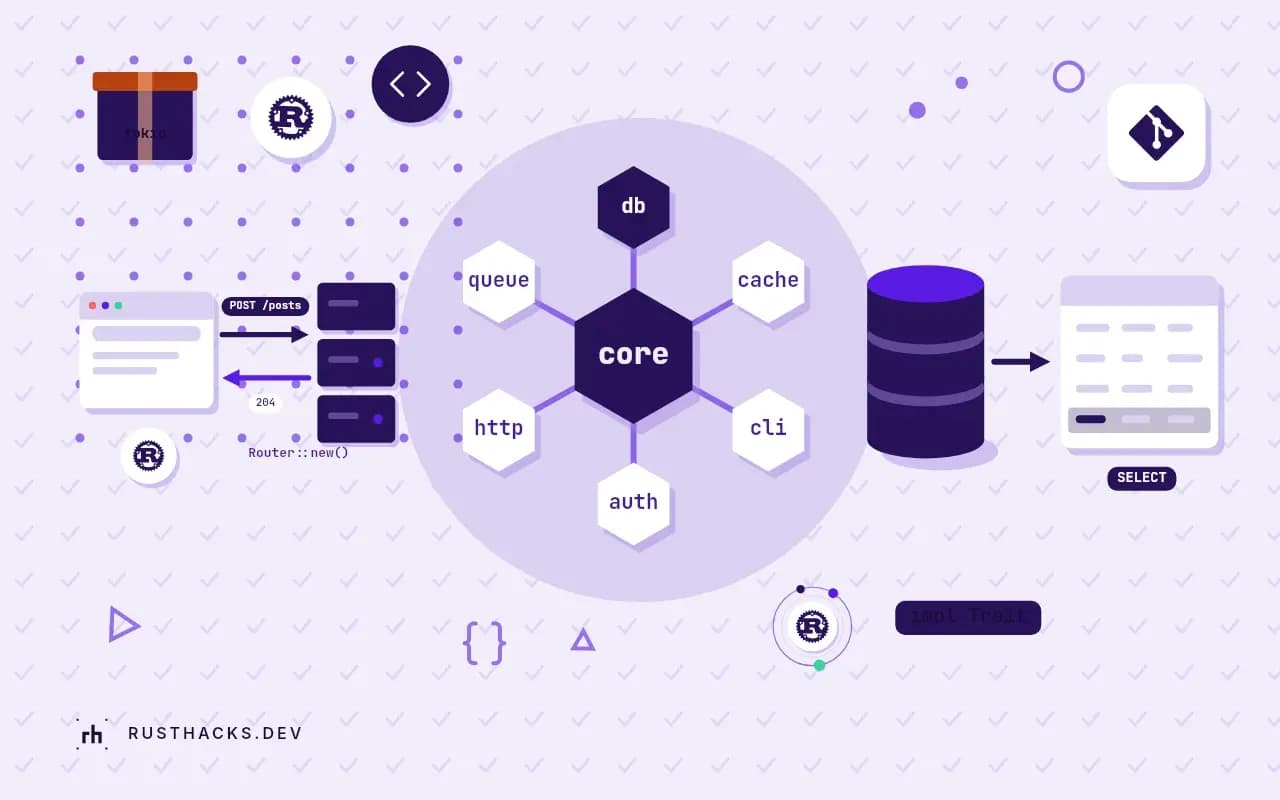
In languages without sum types, the visitor pattern exists to add operations to a type hierarchy. Rust's enums and match usually make it unnecessary, with a few exceptions.

Rust forbids adding inherent methods to foreign types, but a trait you define can. Extension traits are how itertools, futures and tokio add methods to the standard library.
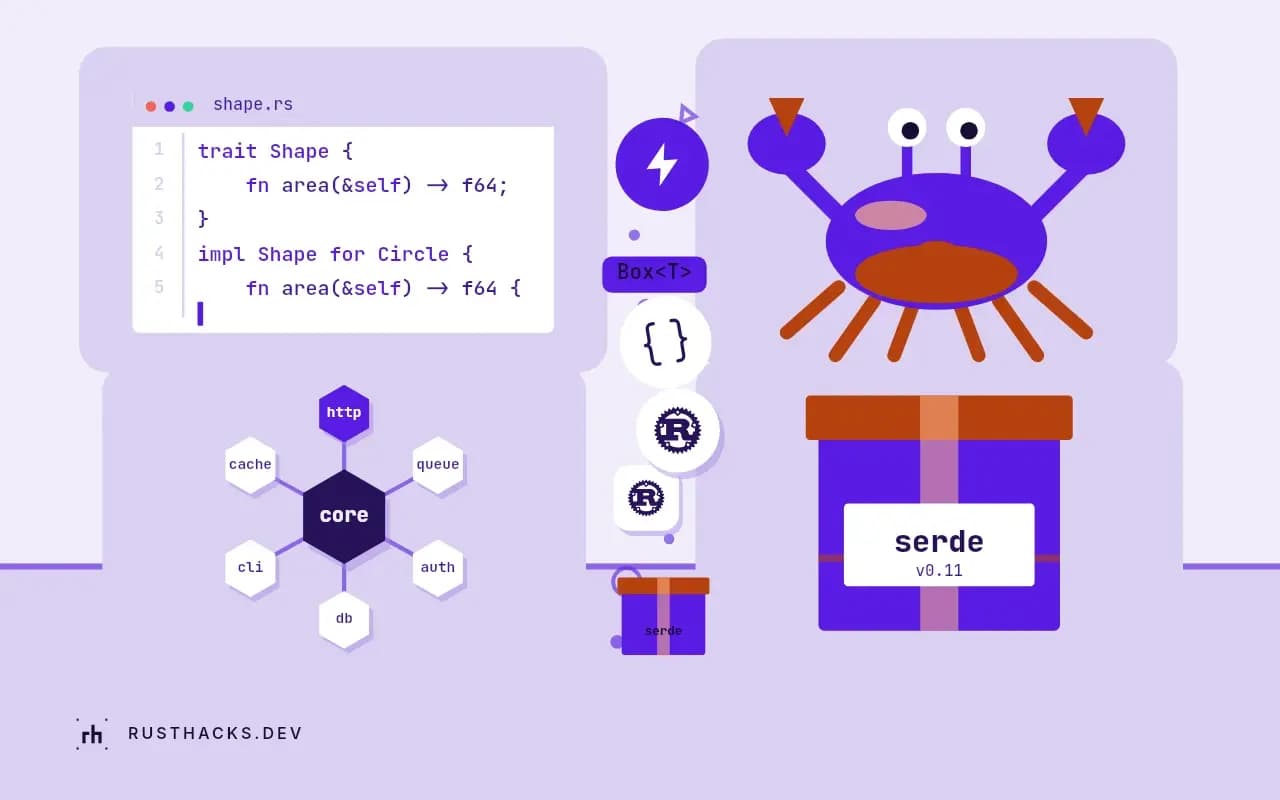
std::any::Any lets you ask a trait object what concrete type it holds. Learn downcast_ref, Box<dyn Any>, the as_any pattern for your own traits, and when an enum is the better design.
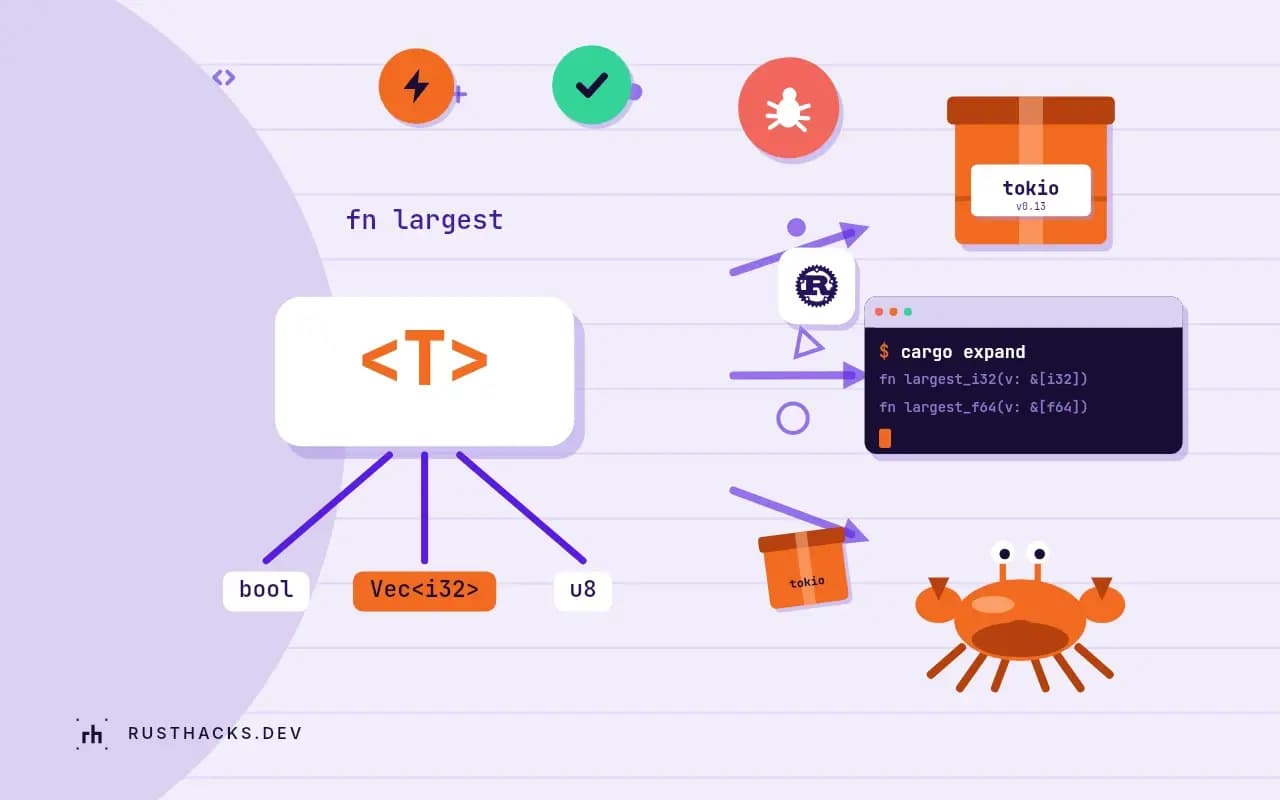
E0369 means an operator like + or == was used on a type that does not implement the matching trait. Fix it with a derive, a trait bound on the generic, or an explicit impl.
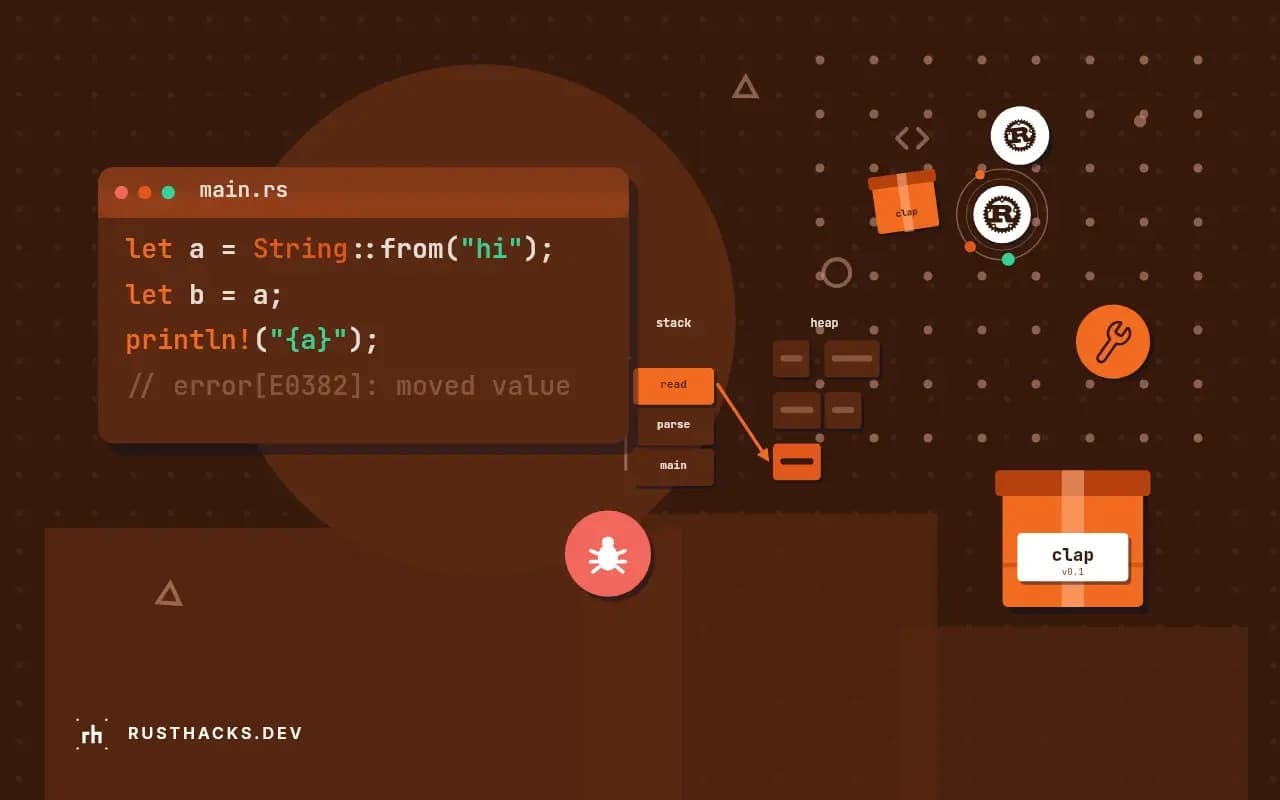
A tuple struct with one field costs nothing at runtime and stops you passing a user id where an order id belongs. Learn construction, derives, Deref pitfalls and the orphan rule workaround.

Build a custom derive from scratch with syn, quote and proc-macro2: parse the struct, generate an impl, report errors with spans and test the expansion.
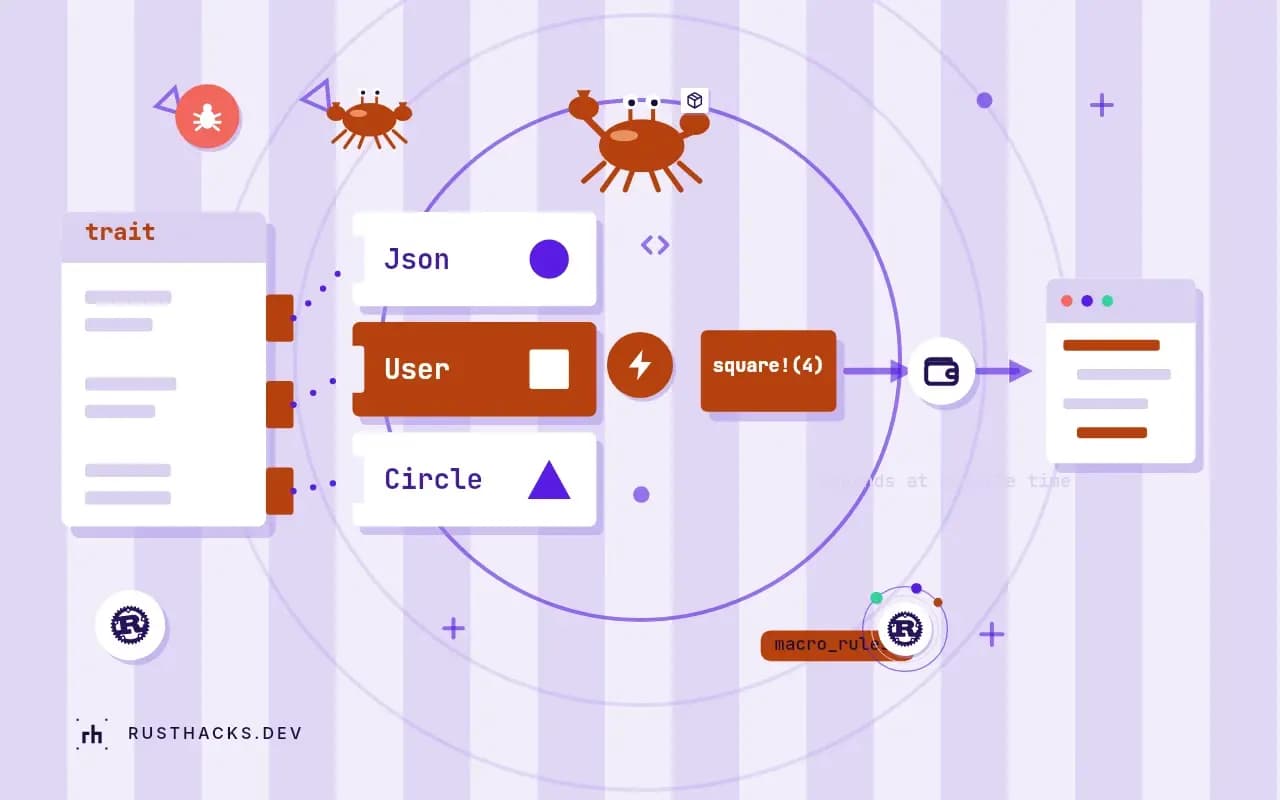
macro_rules! matches token patterns and expands them into code. Learn fragment types, repetition and when a macro beats a function.
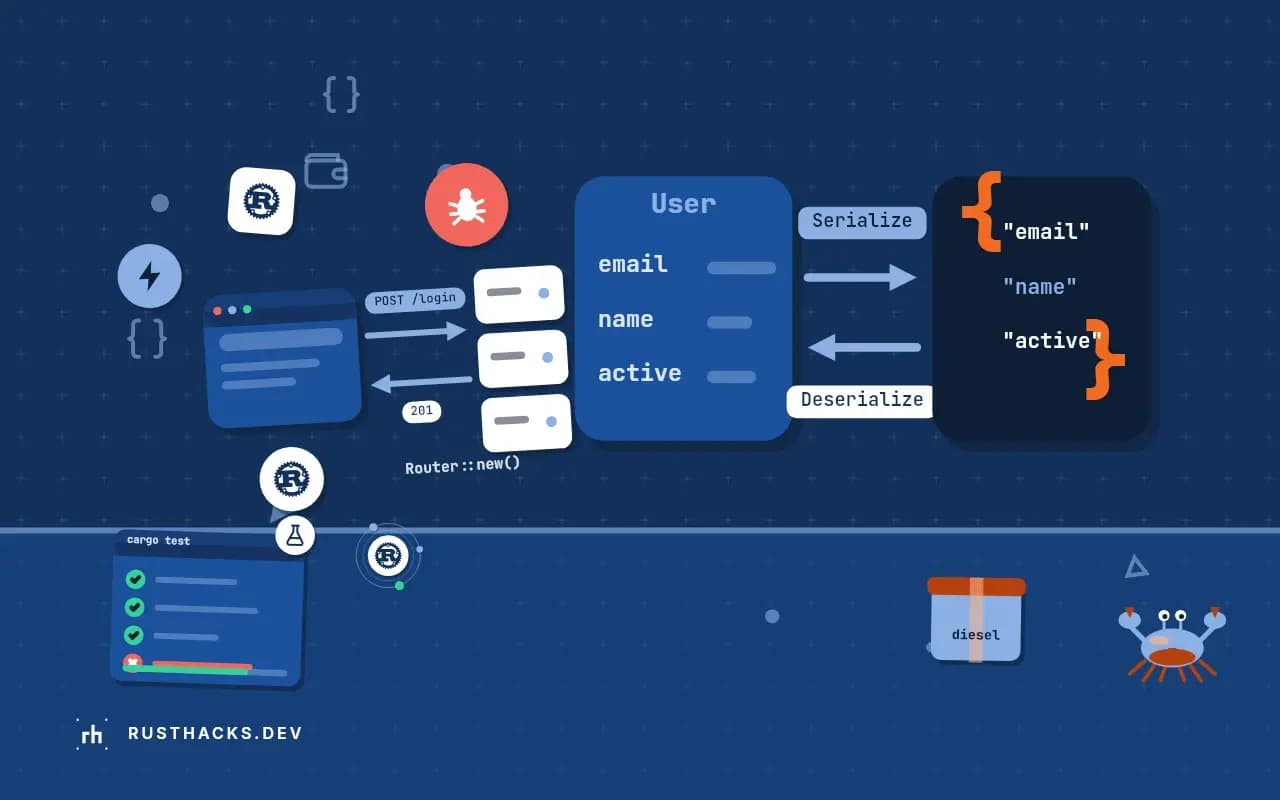
Wrap IDs in tiny types so a UserId cannot be passed where an OrderId is expected. Derive sqlx::Type and Serde with transparent, and keep the cost at zero.
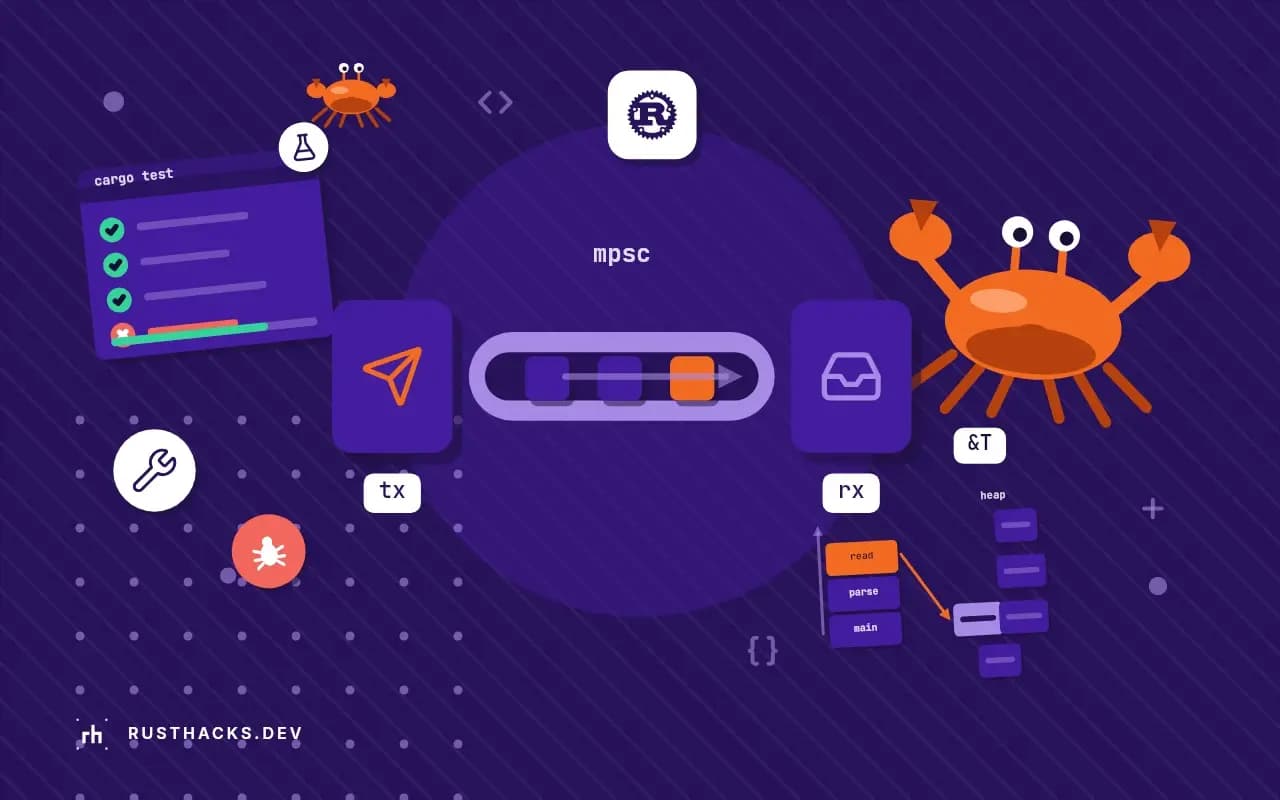
Send means a value can move to another thread and Sync means a reference to it can be shared. See which types lack them and why the compiler decides for you.
We send one email when a new post is published. No spam.