
Rust
Rust Is Not Always Faster and the Cases That Prove It
Rust gives you control over speed, not speed for free. Debug builds, extra clones, blocking calls and wrong algorithms can all make Rust code slower than a tuned alternative.
7 min read
Tag
31 posts
Rust gives you control over speed, not speed for free. Debug builds, extra clones, blocking calls and wrong algorithms can all make Rust code slower than a tuned alternative.

The difficulty is real but narrower than its reputation. Most of it comes from three ideas that other languages hide, and each one has a habit that makes it manageable.
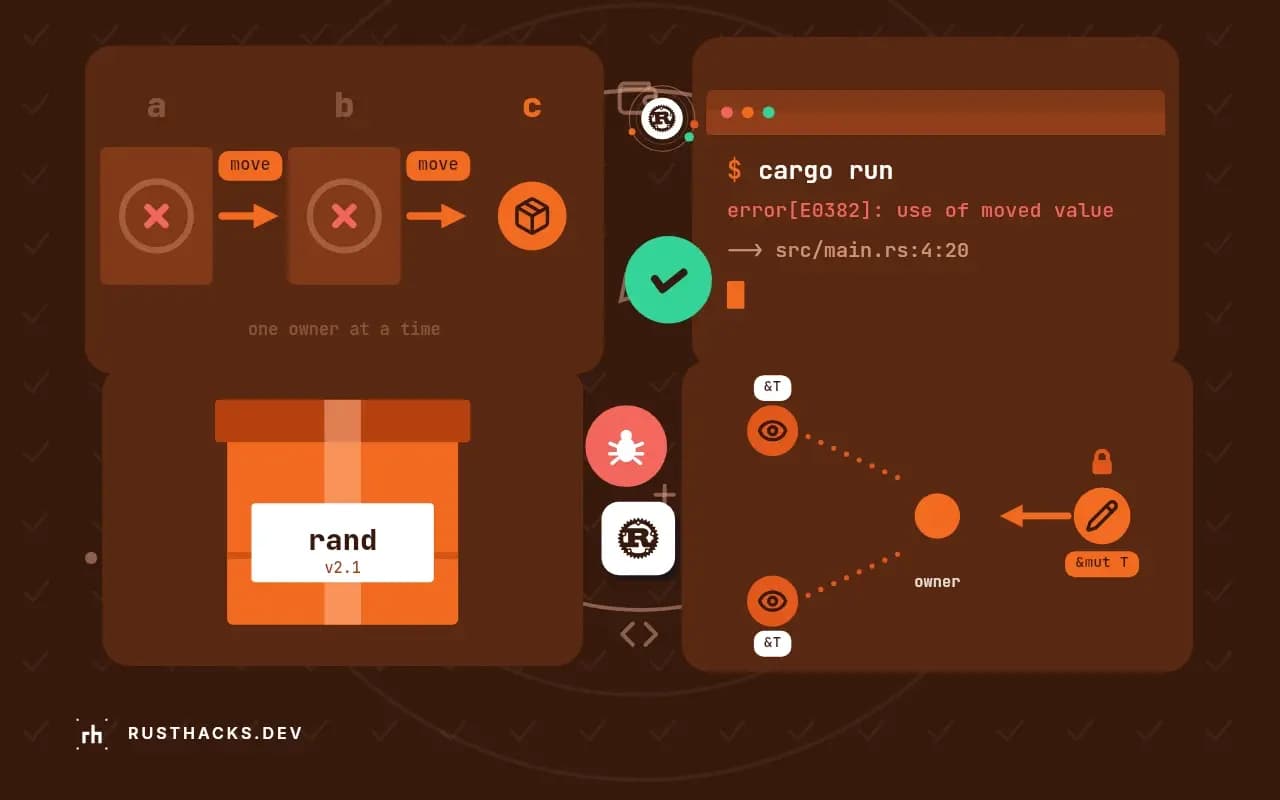
Most people stall in Rust at the same three places. This path orders the topics so each one rests on the last, and tells you what to skip until you need it.
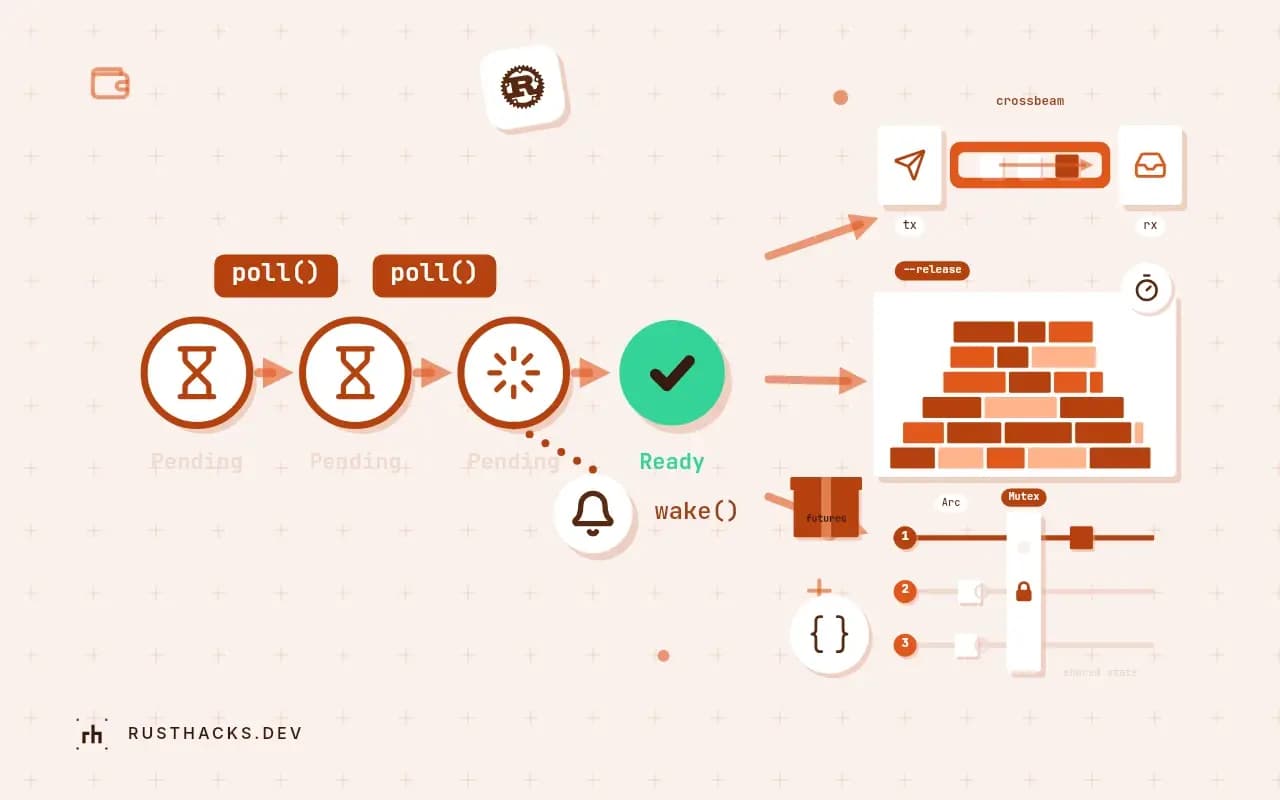
PHP developers move from a request-per-process model to long lived services. This guide translates arrays, classes, exceptions and Composer into Rust and covers what changes at runtime.

Java developers know strong typing and tooling. This guide translates classes, interfaces, generics, exceptions and Maven into their Rust equivalents, and shows what changes without a JVM.
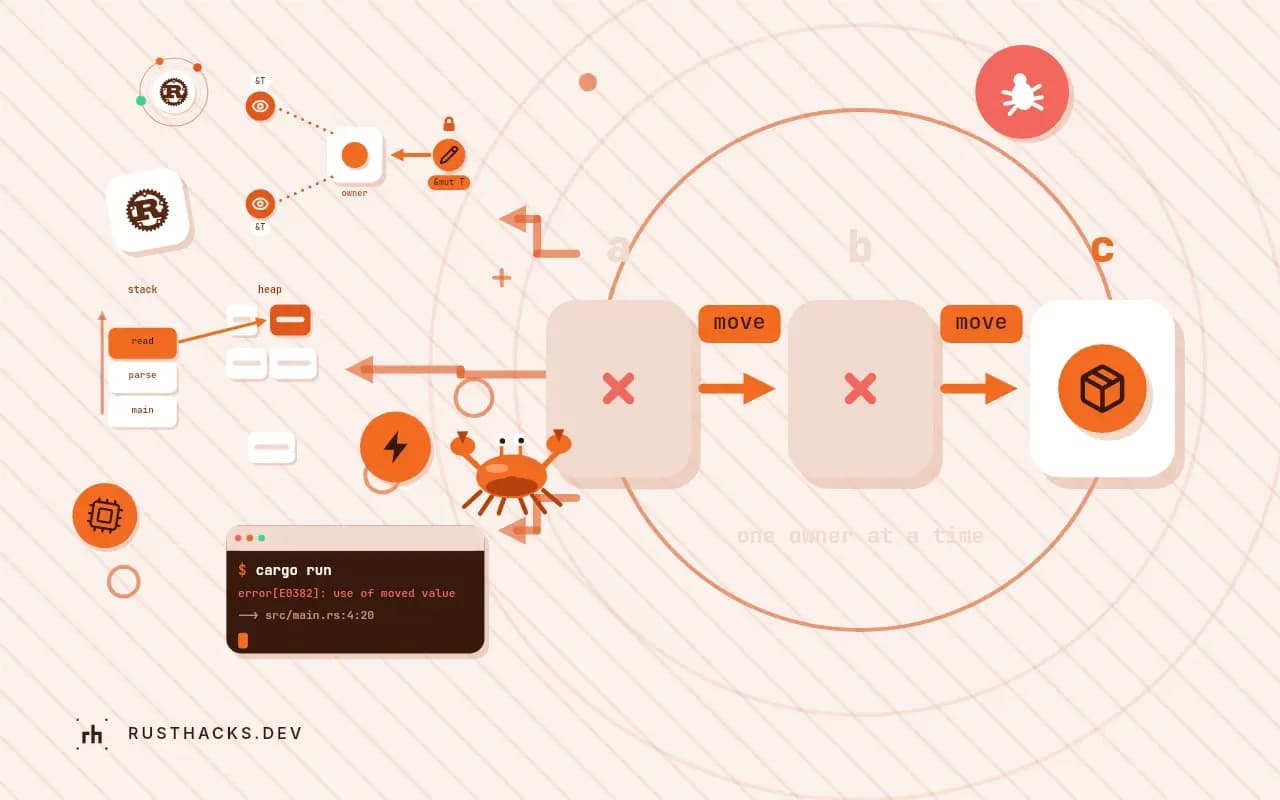
C++ developers know manual lifetimes. Rust turns the rules you follow by habit into compiler checks. This guide maps RAII, templates, move semantics and build tools across.
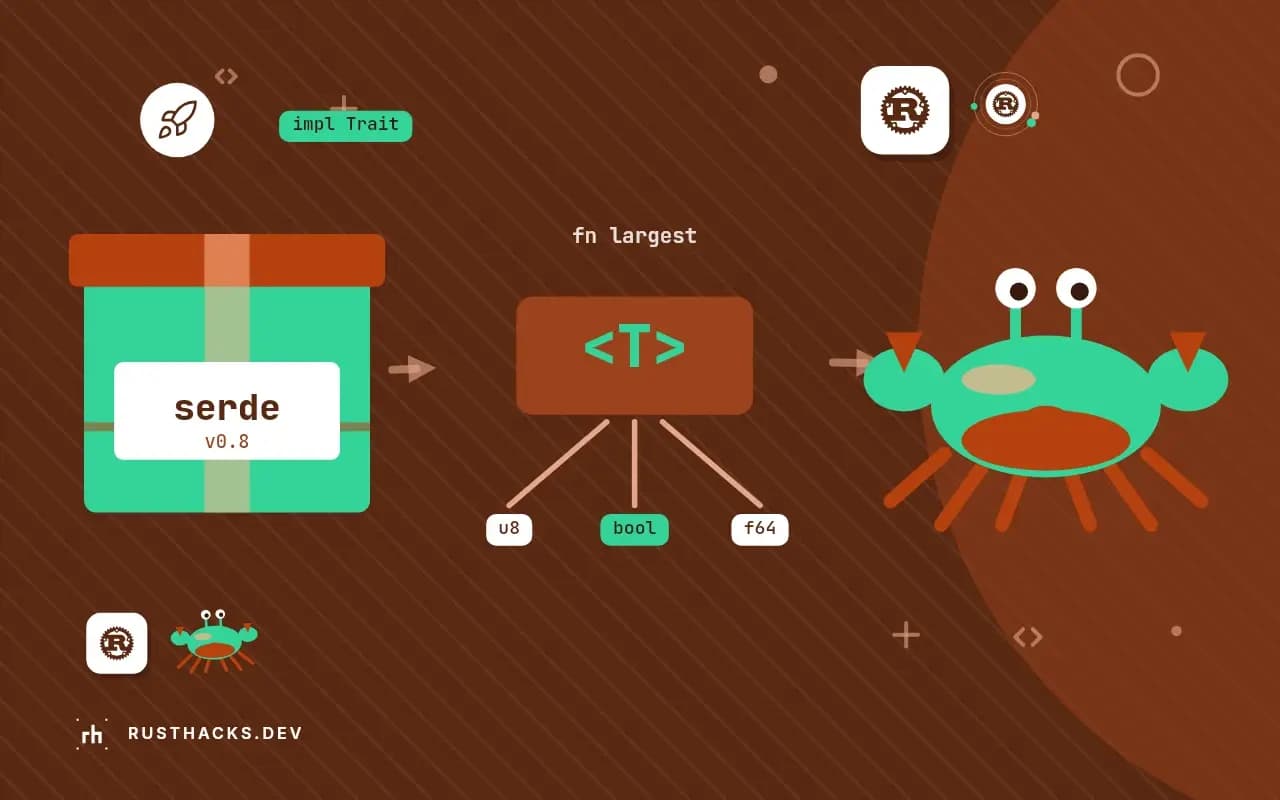
Go and Rust share a preference for plain code and explicit errors. This guide shows where they diverge: ownership, traits, generics and the way concurrency is checked.
TypeScript developers already think in types and async code. This guide maps each JavaScript habit to its Rust form and warns about the places where the mapping breaks.
Python developers already know most of what Rust asks for. This guide maps each Python habit to its Rust equivalent and names the three shifts that cause most of the early compiler errors.

Twelve Rust interview questions with answers that explain the why: ownership, borrowing, lifetimes, traits, Send and Sync, async, unsafe. Includes what a strong answer sounds like.

Ten small projects, each chosen to force one concept: ownership, traits, error handling, lifetimes, async, unsafe. Every entry names the idea, the scope and a stopping point.

Python wins on iteration speed and libraries; Rust wins on speed, memory and shipping one binary. See where each fits, and how PyO3 lets a Python project move just its hot loop to Rust.